
The Orlando real estate market continues to evolve, shaped by migration patterns, job growth, interest rates, new construction activity, and shifting buyer behavior. If you’re considering buying, selling, or investing in Central Florida, understanding current market dynamics is no longer optional — it’s essential. In this comprehensive breakdown of Orlando real estate market trends 2026, we’ll explore pricing, inventory, demand shifts, appreciation outlook, and what it all means for your next move.
A Snapshot of the Current Orlando Housing Market
Orlando remains one of the strongest relocation markets in Florida. Population growth continues to drive housing demand, especially among remote workers, retirees, and families relocating from higher-cost states. While the rapid appreciation of the pandemic era has stabilized, home values in Orlando remain resilient.
Median home prices have shown moderate year-over-year growth, rather than the double-digit spikes seen previously. This signals a more balanced market — one that favors informed strategy over urgency.
Inventory levels have improved compared to the extreme seller’s market conditions of 2021–2022. However, well-priced homes in desirable neighborhoods still attract strong attention, particularly properties with updated interiors, good school zones, or lifestyle amenities.
Interest Rates and Buying Power in 2026
Mortgage rates continue to influence affordability and buyer psychology. While rates remain higher than historic lows, many buyers are adapting by:
- Choosing adjustable or temporary rate buydown options
- Increasing down payments
- Expanding search areas for better value
The reality? Demand hasn’t disappeared — it has become more selective. Buyers are focused on value, condition, and long-term appreciation potential rather than emotional overbidding.
For sellers, this means pricing strategy matters more than ever.
Neighborhood Trends: Where Demand Is Strongest
Certain Orlando suburbs and surrounding communities continue to outperform due to lifestyle, infrastructure, and school ratings. Areas such as:
- Winter Garden
- Windermere
- Lake Nona
- Winter Park
- Clermont
are consistently attracting move-up buyers and professionals.
Meanwhile, affordability-focused buyers are exploring Davenport, Kissimmee, and parts of East Orlando. New construction communities are also drawing attention for offering incentives and modern floorplans.
New Construction vs. Resale Homes
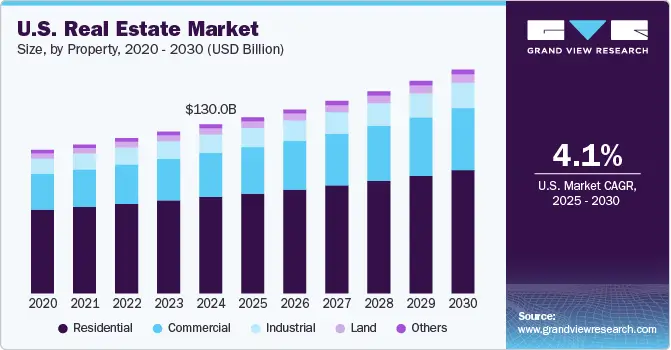
New construction inventory has expanded across Central Florida. Builders are offering closing cost credits, rate buydowns, and upgrade packages to stimulate demand. However, resale homes often present better pricing flexibility and mature neighborhood advantages.
Key differences in 2026:
New construction:
- Incentives available
- Longer timelines
- HOA communities common
Resale homes:
- Established landscaping and amenities
- Potential negotiation room
- Faster closing timelines
Buyers must compare total cost — not just base price.
Orlando Real Estate Appreciation Outlook
Long-term fundamentals remain strong. Orlando’s diversified economy — driven by tourism, healthcare, technology, and education — continues to attract steady inbound migration.
Appreciation is expected to normalize rather than spike. This is healthy for the market. Sustainable growth protects equity and reduces volatility.
Investors should focus on:
- Areas with infrastructure expansion
- Proximity to employment centers
- Rental demand stability
- Flood zone considerations
Rental Market and Investor Demand
 Orlando remains attractive for both long-term rentals and vacation property investors. However, regulations and HOA restrictions must be carefully evaluated.
Long-term rental demand is supported by:
- Continued relocation
- Rising homeownership costs
- Job market growth
Short-term rentals require attention to:
- Local zoning
- Community rules
- Insurance requirements
Strategic investors analyze cap rate, maintenance costs, and long-term appreciation potential — not just gross rental income.
What This Means for Buyers in 2026
Buyers have more leverage than during peak seller markets. However, preparation remains critical.
Smart buyer strategies include:
- Getting pre-approved before shopping
- Studying neighborhood price trends
- Comparing resale vs. new construction incentives
- Evaluating insurance and tax implications
Opportunities exist — especially for buyers willing to negotiate and remain patient.
What This Means for Sellers
Sellers must shift from “list and wait” to “market and position.” Presentation, pricing, and marketing strategy directly influence results.
Homes that are:
- Properly staged
- Professionally photographed
- Strategically priced
- Marketed across digital channels
continue to sell efficiently.
Overpricing leads to longer days on market and price reductions.
Inventory and Days on Market Trends
Days on market have increased compared to peak pandemic levels but remain below historical averages. Balanced inventory levels create a healthier transaction environment.
For sellers, this means:
- Correct pricing at launch matters
- First impressions determine momentum
For buyers, this means:
- Some negotiation opportunities exist
- But desirable homes still move quickly
Insurance and Climate Considerations
Florida insurance costs remain a critical factor. Buyers should evaluate:
- Roof age
- Flood zone status
- Wind mitigation credits
- HOA master policies
Understanding total monthly ownership cost prevents surprises after closing.
Is 2026 a Good Time to Buy or Sell in Orlando?
The Orlando real estate market in 2026 reflects stability, opportunity, and strategic decision-making. It is no longer a hyper-competitive frenzy — but it is far from slow.
For buyers, it’s a market that rewards preparation and patience.
For sellers, it’s a market that rewards pricing discipline and presentation excellence.
Those who understand Orlando real estate market trends 2026 — rather than reacting emotionally — will make confident, profitable moves.
