

The start of a new year is more than a calendar reset. For homeowners in Orlando, it is the perfect time to pause, assess, and make sure your home is truly ready for the year ahead. Between Florida’s heat, humidity, sudden storms, and year-round wear and tear, homes in Central Florida face unique challenges that are easy to overlook when life gets busy.
A New-Year home health check helps you catch small issues before they turn into expensive repairs, improve comfort and efficiency, and protect your investment long-term. Think of it as an annual physical for your house—one that sets you up for a smoother, safer, and more stress-free 2026.
Below is a comprehensive guide to checking your Orlando home from top to bottom, with a focus on what matters most in our climate and lifestyle.
Start With the Roof and Exterior

Your roof is your home’s first line of defense against Florida’s unpredictable weather—heavy rain, strong winds, and intense sun.
Begin by visually inspecting your roof from the ground. Look for missing or curled shingles, dark patches, or areas that appear uneven. If your home has been through a stormy season or is over ten years old, consider scheduling a professional roof inspection. Even minor damage can allow moisture to enter, leading to mold or structural issues.
Next, check gutters and downspouts. In Orlando, clogged gutters can quickly cause water to back up and damage fascia boards, siding, or foundations. Clear out leaves and debris and ensure downspouts are directing water away from your home.
Walk around your home’s exterior and look closely at siding, stucco, and paint. Cracks, peeling paint, or bubbling surfaces may indicate moisture problems beneath. Addressing these early can prevent larger repairs later in the year.
Check Windows, Doors, and Seals

Air leaks are a silent energy drain, especially in a warm climate where air conditioning runs most of the year.
Inspect the caulking and weather stripping around doors and windows. If you feel warm air coming in or notice visible gaps, it is time to reseal. Proper sealing keeps cool air inside, reduces energy bills, and helps manage indoor humidity.
Also look for signs of condensation between window panes. This can indicate a broken seal, reducing insulation efficiency. Repairing or replacing compromised windows can significantly improve comfort and energy performance in the long run.
Evaluate Your HVAC System
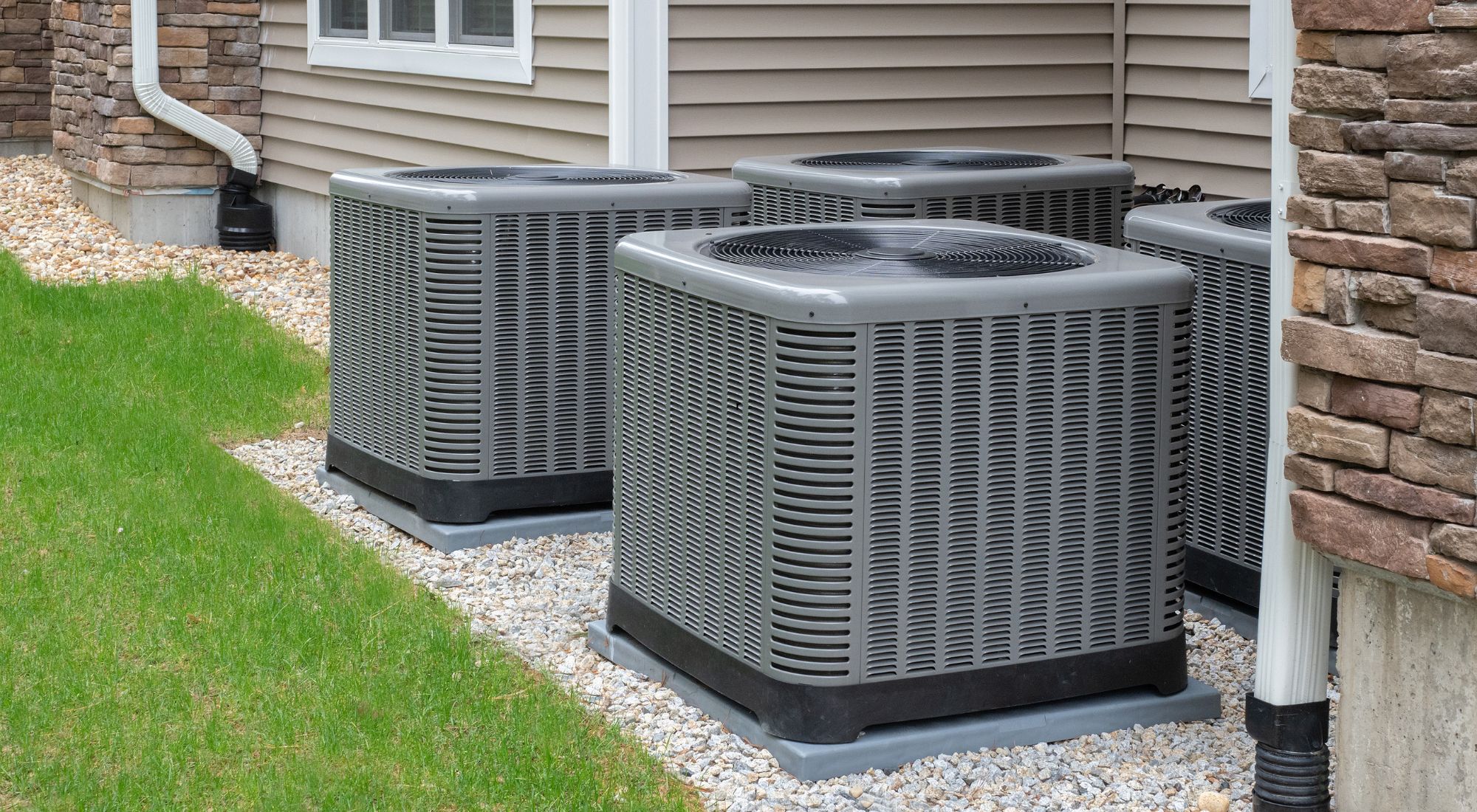
Your air conditioning system works harder in Orlando than in most parts of the country, making it one of the most important systems to check as the year begins.
Start by replacing or cleaning air filters. Dirty filters restrict airflow, reduce efficiency, and circulate dust and allergens throughout your home. This simple task can improve air quality and lower energy costs almost immediately.
Schedule a professional HVAC maintenance check if you have not had one recently. A technician can inspect refrigerant levels, electrical components, coils, and drainage lines. Catching issues early can extend the life of your system and help prevent breakdowns during peak summer heat.
Pay attention to unusual noises, inconsistent cooling, or higher-than-normal energy bills. These can all be signs your system needs attention before the hottest months arrive.
Address Humidity and Mold Risks
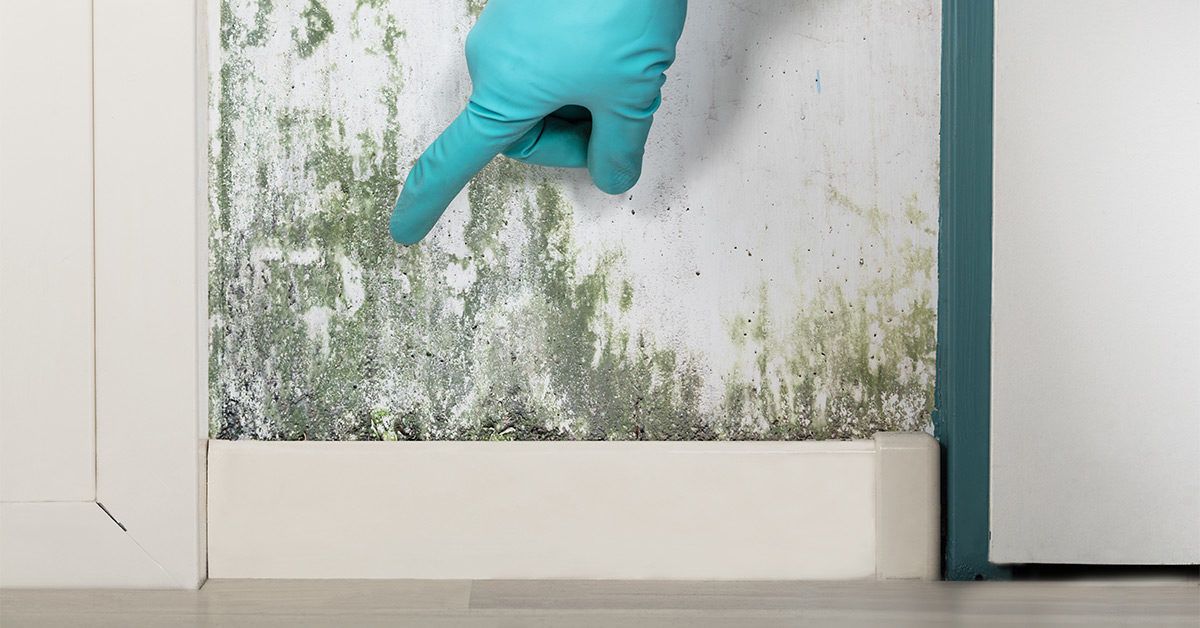
Humidity is one of the biggest challenges for Orlando homeowners. Excess moisture can lead to mold growth, musty odors, and long-term damage to walls, flooring, and furniture.
Check areas prone to moisture—bathrooms, kitchens, laundry rooms, closets, and around windows. Look for discoloration, peeling paint, or a persistent damp smell.
If your home feels sticky or uncomfortable even when the air conditioning is running, a whole-home dehumidifier or adjustments to your HVAC system may be needed. Maintaining proper humidity levels not only protects your home but also improves comfort and indoor air quality.
Inspect Plumbing and Water Systems
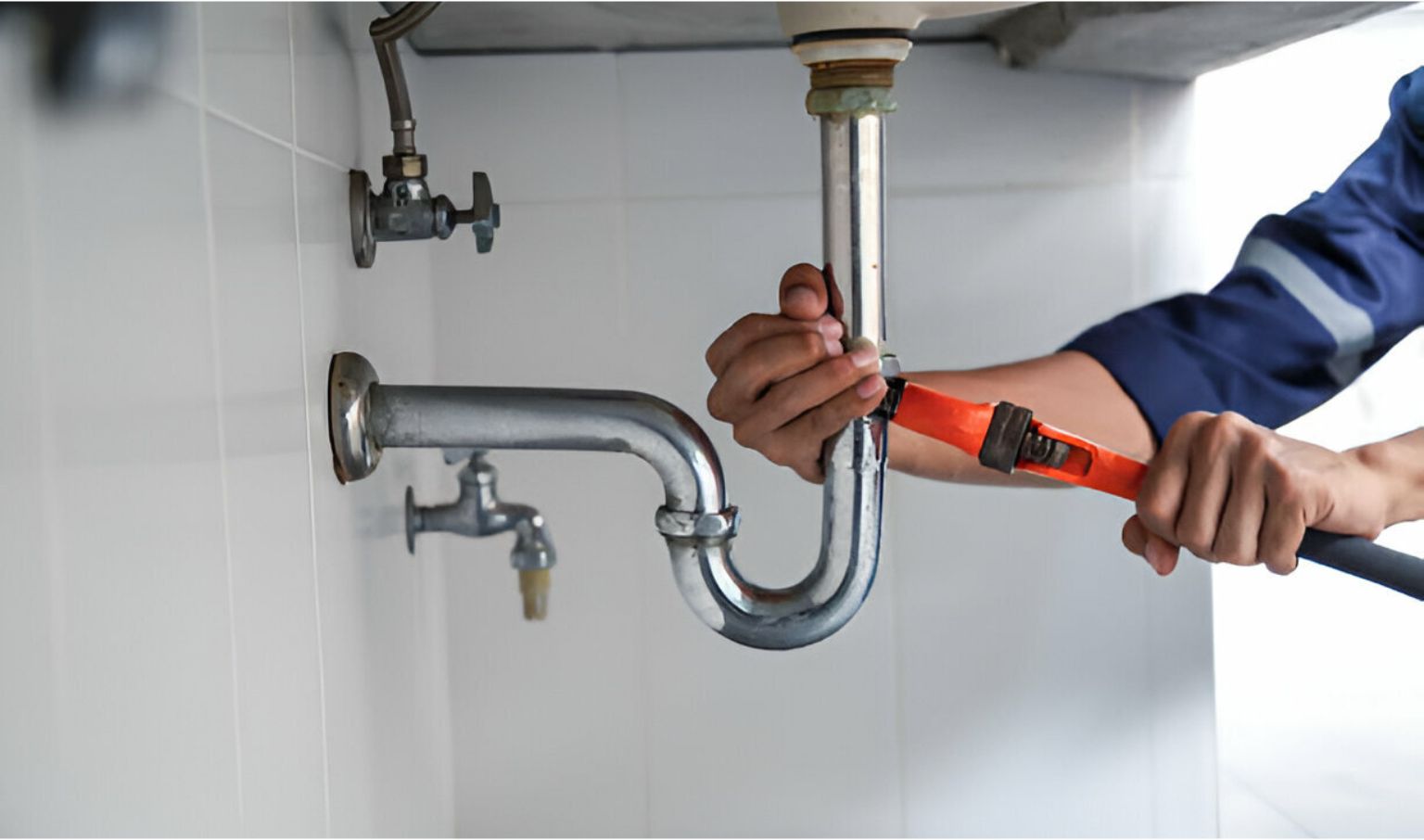
Water damage can be costly and disruptive, so early detection is critical.
Look under sinks, around toilets, and behind appliances for signs of leaks. Even slow drips can cause mold and rot over time. Check your water heater for corrosion, leaks, or unusual noises, especially if it is more than eight to ten years old.
In Orlando, many homes use irrigation systems year-round. Inspect sprinkler heads and lines for leaks or misalignment. Overwatering not only wastes water but can also damage landscaping and your home’s foundation.
Review Electrical Safety
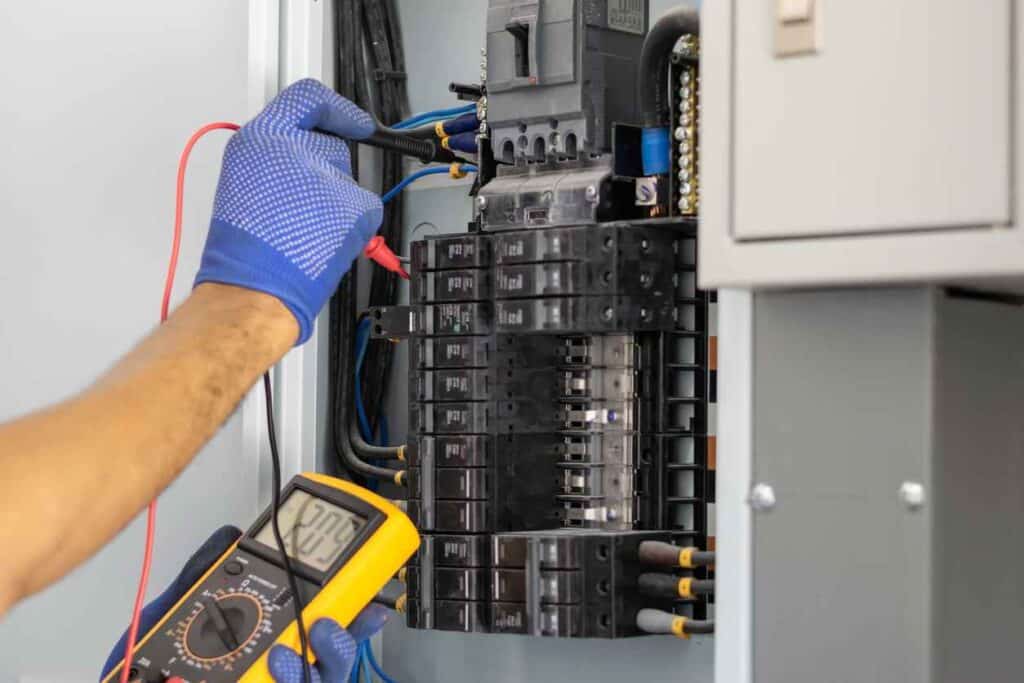
Electrical systems are often overlooked unless something goes wrong, but the New Year is an ideal time to check for safety and functionality.
Test all smoke detectors and carbon monoxide detectors and replace batteries as needed. If your detectors are more than ten years old, consider replacing them entirely.
Check outlets and switches for warmth, buzzing sounds, or discoloration—these can indicate wiring issues. If your home is older or has undergone renovations, a professional electrical inspection can provide peace of mind and ensure everything meets current safety standards.
Declutter and Organize for a Fresh Start

A home health check is not only about systems and structure—it is also about how your home supports your daily life.
The post-holiday season is perfect for decluttering. Go room by room and identify items you no longer use or need. Clearing excess belongings improves airflow, reduces dust, and makes your home easier to clean and maintain.
Organizing storage areas such as closets, garages, and pantries can also reveal hidden issues like leaks, pests, or structural damage that may have gone unnoticed.
Assess Flooring and Interior Surfaces
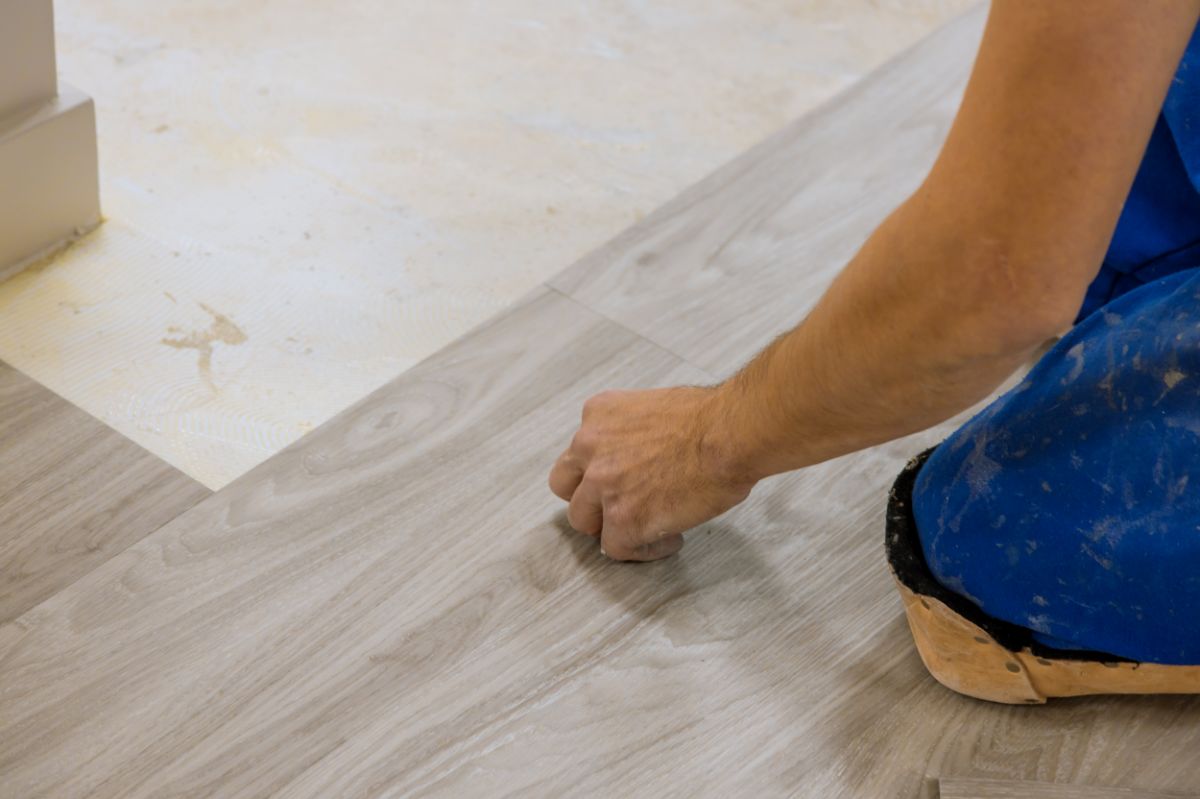
Florida’s climate can take a toll on floors and interior finishes.
Check tile grout for cracks or discoloration and reseal if necessary. Inspect hardwood or laminate flooring for warping, which may indicate moisture problems. Carpets should be cleaned regularly to remove trapped humidity, allergens, and dust.
Look at walls and ceilings for cracks or stains. Small cosmetic issues can sometimes signal larger concerns such as foundation movement or roof leaks, especially after heavy rains.
Prepare for Storm Season Early
While hurricane season may feel far away at the start of the year, preparation is always easier when done early.
Review your home’s storm readiness. Do you have hurricane shutters or impact-resistant windows? Are they in good condition and easy to deploy? Check garage doors, as they are often a weak point during storms.
Create or update your emergency plan and supplies. Knowing your home is structurally sound and prepared reduces stress when severe weather approaches later in the year.
Plan Smart Improvements for 2026
A New-Year home health check often reveals opportunities for improvement.
Consider energy-efficient upgrades such as smart thermostats, LED lighting, or improved insulation. These upgrades not only lower monthly bills but also increase your home’s value.
If you plan to renovate or sell in the future, now is the time to prioritize projects that offer the best return on investment in the Orlando market—kitchens, bathrooms, outdoor living spaces, and energy efficiency features are consistently appealing.
Make It a Habit, Not a One-Time Task
The most important part of a home health check is consistency. Homes that are regularly maintained last longer, perform better, and cost less to own over time.
By starting 2026 with a thorough review of your Orlando home, you set the tone for proactive care rather than reactive repairs. Small steps taken now can prevent major headaches later and help ensure your home remains a comfortable, safe, and welcoming place for years to come.
Your home supports every part of your life. Giving it the attention it deserves at the start of the year is one of the smartest investments you can make.
